United Nations Open Source Week 2026
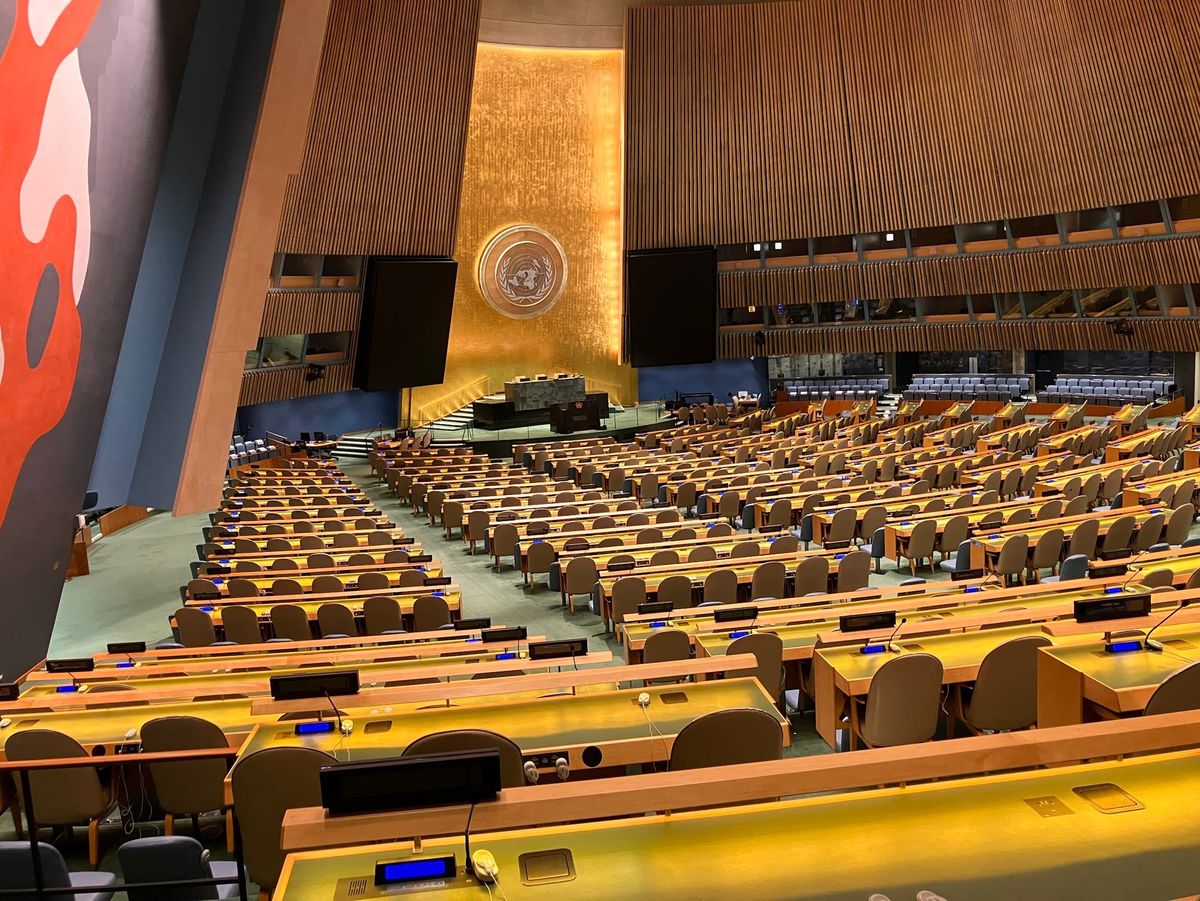
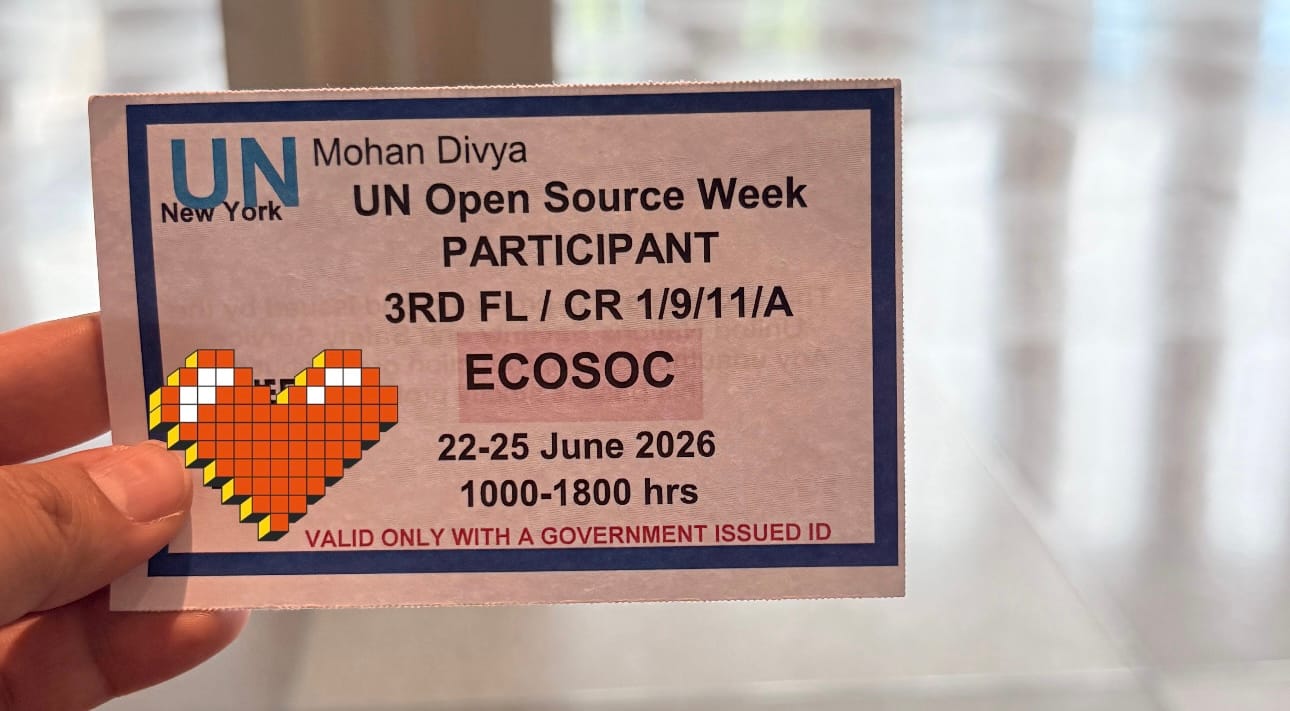
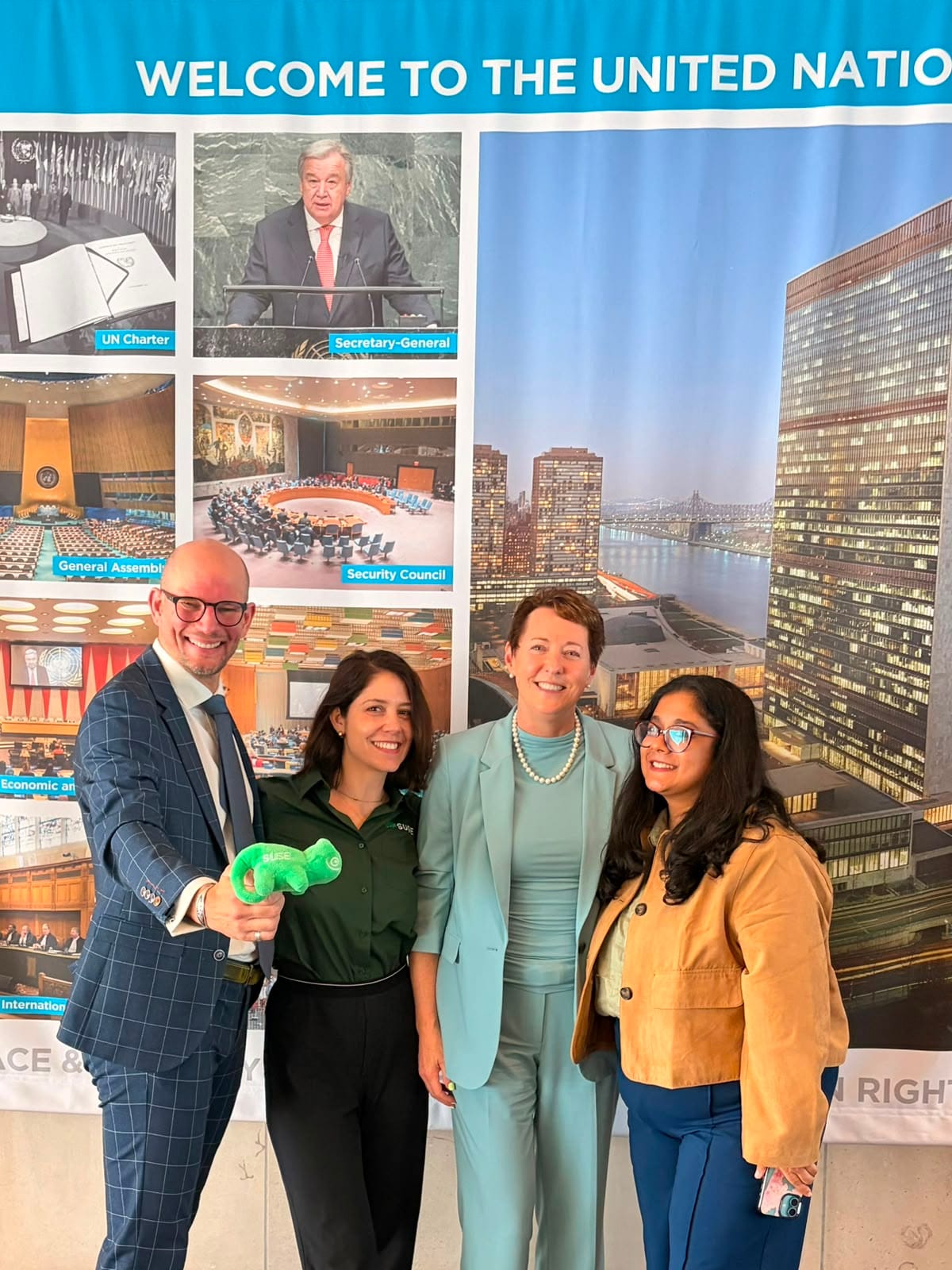
For the last four years, the UN has hosted a week dedicated to open source in June/July at its headquarters in NYC. The event has evolved from focusing on the strategic implementation of open source within companies to recognising its impact as a public good on developing and developed economies. In 2025, I was fortunate to participate and speak at the event about the capacity-building work we are doing within the Asian chapter of the CHAOSS project. This time around, my company sponsored my attendance, and what made it even more special was my recent election to the CHAOSS governance board.
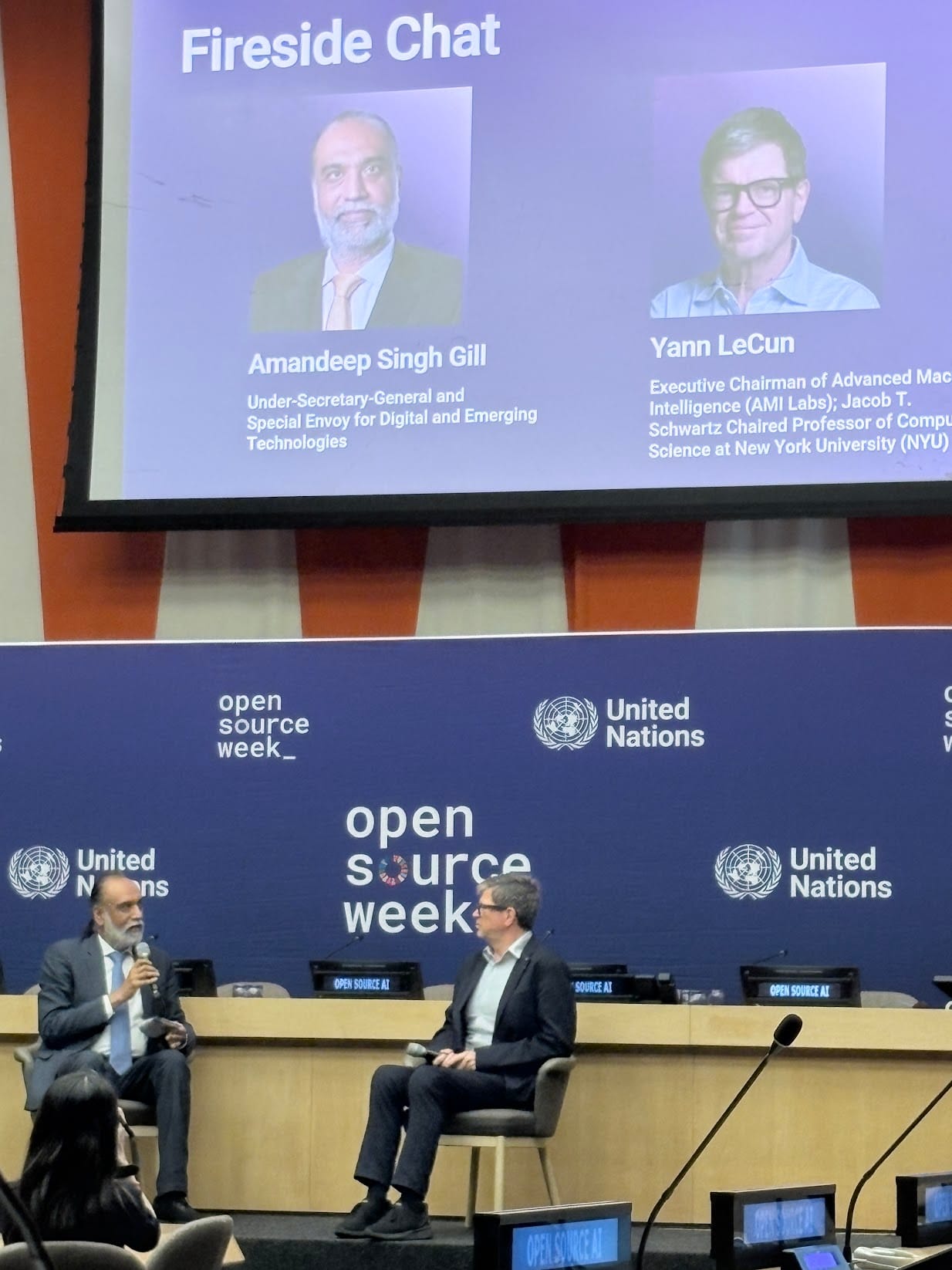
The first change to the overall agenda was the inclusion of a dedicated day for open source AI. Given the pervasiveness of artificial intelligence, this wasn't a shocker. Yann LeCun, however, took this one step further and framed open source AI as a public good akin to electricity and water. To combat the hegemony and economic unsustainability of Big Tech Models, he used his keynote address to highlight Project Tapestry – a concrete, decentralised "bottom-up" initiative where developers could collaborate directly via a GitHub repository. As is the case with conferences, the hallway track was THE place to be for some of the most exciting conversations.
On Day 2, the focus was on digital public infrastructure. A personal highlight for me was the all-women panel featuring ministers from Sierra Leone, Morocco, and Jamaica, during which they advocated for open source AI and Digital Public Infrastructure (DPI) as vital tools for national digital sovereignty. They emphasised that a collaborative, open source model allowed developing nations to actively co-create technology and safeguard their own regional data rather than relying on restrictive, proprietary corporate silos. They also argued that keeping AI and public software architectures open was the safest and most effective way to prevent monopolies and ensure that the digital solutions reflect a diverse, global perspective. While diversity and inclusion have a long way to go in the tech ecosystem, it was great to see female representation among the circle of decision-makers on the global stage.
Speaking of representation, SUSE's CMO, Margaret Dawson, was on a panel titled Open Source and Digital Sovereignty in a Connected World alongside many open source stalwarts, including Adriana Groh, Arun Gupta, Frank Karlitschek, and Sachiko Muto on Day 3. The panel was moderated by Ruth Suehle and shared practical experiences on integrating open source into broader digital strategies, including procurement practices, policy approaches, and partnership strategies.
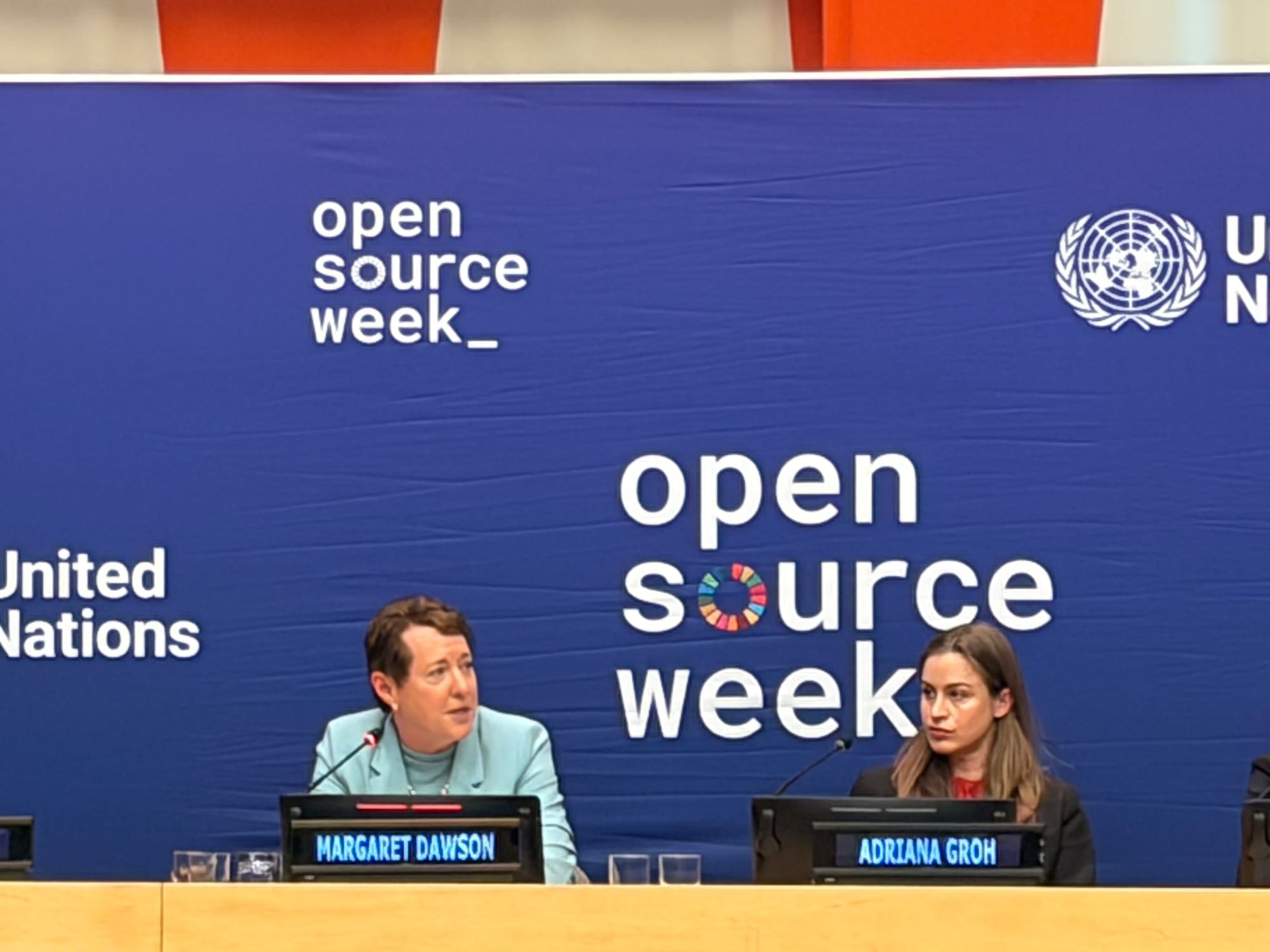
Throughout the day, we continued to hear from dignitaries and industry stalwarts. However, a few key themes emerged during these discussions.
- The open source movement has outgrown the phase of simple declaration of intent. To securely scale technology integration and move beyond passive consumption, we need to build practical, structured frameworks.
- Especially for public services like health and ID registry in developing nations, open source has been a key enabler in creating cost-effective, inclusive, and shared platforms by lowering the financial barrier.
- Sharing global code continues to drive international collaboration, helping nations achieve the UN Sustainable Development Goals without duplicating tech resources.
Carrying these themes forward into the last day, I was part of a panel discussion on the architecture of participation in open source on the SDG track alongside some fantastic women: Celeste Horgan, Elaine Wong, Karen Sandler, and Tracy Hinds. The key discussion points centred on global participation, working in public, and the challenges with conflict management in a multi-stakeholder, diverse ecosystem. Coming from very diverse backgrounds, I found it an incredible treat to be on the panel and to share my experience as a maintainer and an open source advocate from Asia.
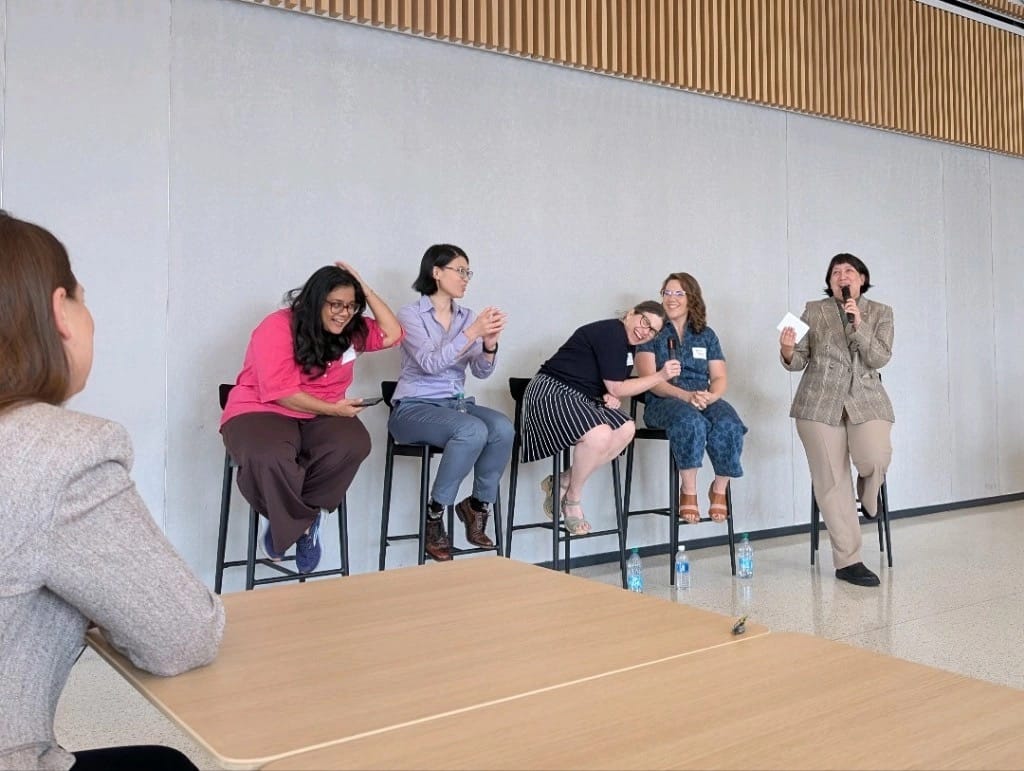
If I were to recap the entire week in a single sentence, it would be with the words of the Undersecretary General and Special Envoy for Digital and Emerging Technologies, Amandeep Singh Gill, "If the antidote of open source isn't there, some would win, but many would lose". Open source has evolved from a licensing paradigm to being the force that underpins critical population-scale infrastructure. As we continue to navigate uncharted waters amid the proliferation of AI, it will take more than the 1400 people gathered at the UN headquarters last week to ensure the ecosystem continues to represent and benefit the people it serves.